Shabkar’s Biography, Lineage Ancestors, & Unborn Wisdom
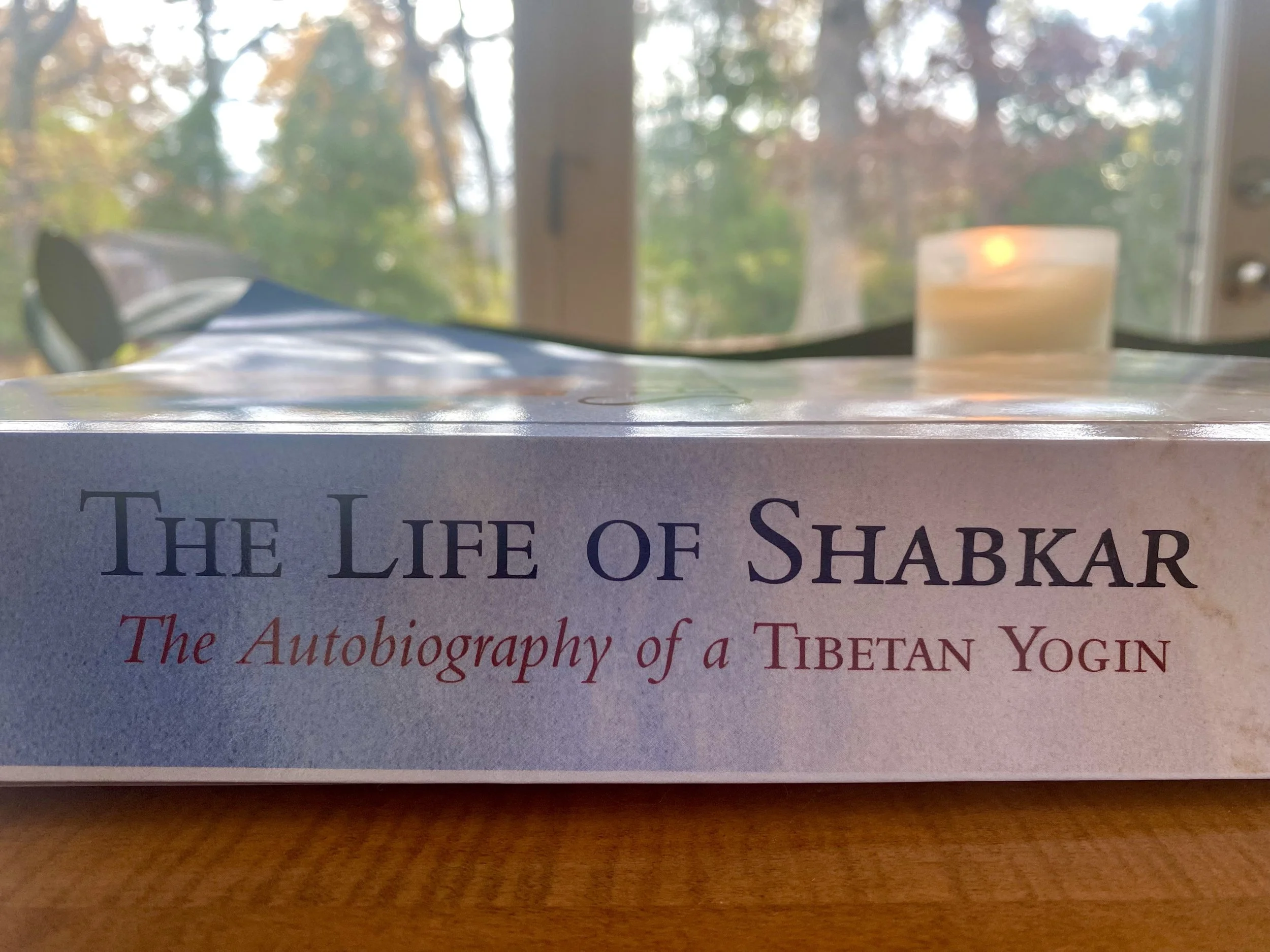
I love the kind of modern books on Buddhism that you’ll find at a Barnes & Noble, but it’s feels special and exciting to read the source material that contemporary dharma draws from. These old texts always demand of me a layer of interpretation and unpacking. The tendency for men (including Shabkar) to abandon their families for practice always makes me feel prickly (Like can you not pay your mother the occasional visit? Can’t a cow-herder also recognize Dzogchen, as it is said?), but I like that as a reader, I’m the one who is challenged to approach the text as it is rather than have the text be chopped up and cooked into a more palatable form for me. It ends up feeling like a sort of collaborative effort between myself and the teacher, where we are reaching out to each other across time and culture and form to discover how their lived experience resonates in my own mind and practice.
So often I’ve thought of transmission in Tibetan Buddhism as a kind of “pouring” of dharma into one container from another, when really what seems to be happening is an shared exchange, a feedback loop where dharma isn’t only received by the students but feeds back into the source, thereby also changing the teacher and teachings. This feels akin to some of the work I’ve seen others do who work within belief systems where ancestors play an important role. The ancestors, while deceased, can continue to develop and change and heal through the discoveries of their descendants. For me personally, this relationship with ancestors doesn’t feel antithetical to rebirth, as it is not the self that is reborn, but the karmic habits of beings, and birth and death themselves aren’t what they seem to be. The Ati state is sometimes described as “unborn” to communicate this layer of reality which is both beyond and integrated within death and birth. The implications of this feel more thrilling and probable to me than the idea of “going beyond” as a perpetual stasis or quiescence. In this way, we are changed by Shabkar, and Shabkar continues to change.
Notes on The Numinous
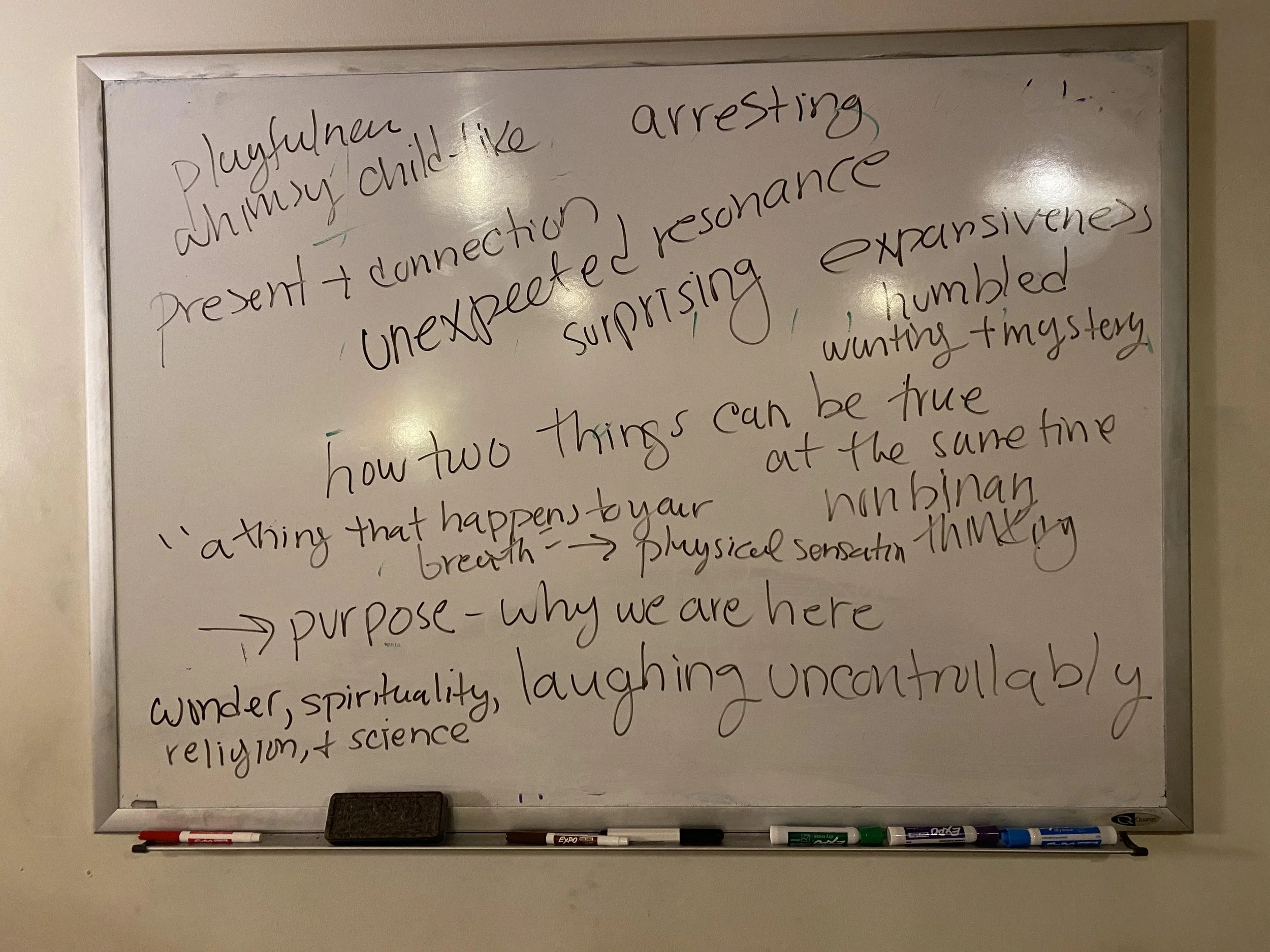
It was such a pleasure to teach “Writing for Wonder & Amazement” at StoryStudio Chicago last weekend! Leave it to a writer to take a photo of words on a whiteboard instead of a room filled with lovely people communing and writing. But that’s exactly what I did.
See below for my class’s notes on what they associate with “the numinous.” The secret joy of teaching is that you learn from your students.
Ecodharma, Indra’s Net, and Blowing Mantras
There’s such a wealth of conversation around spiritual ecology and ecodharma these days. It’s exciting that there is a movement to return outdoors and work with nature. The cool thing about the connecting with living world on a full-hearted level is if we’re left outside long enough, we’re guided by our environment. No elaborate ritual gear or sadhanas are necessary.
For instance, I love blowing mantras onto seeds and letting them float away so that the good wishes scatter around. It’s a small, meaningful practice passed down from teachers, and now I can hardly pass by any kind of milkweed or dandelion fluff without stopping to blow a mantra onto it. What a wonderful thing to have been taught that the living world is full of blessings waiting for us to release them.
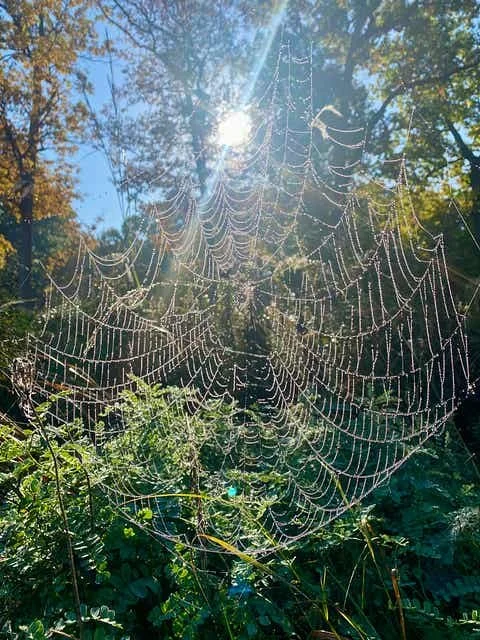
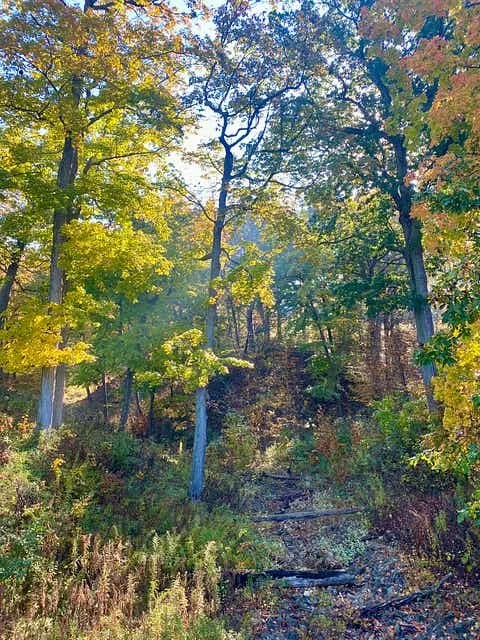
Sometimes when I spend time outside it feels like the teachings and metaphors I’ve heard in more formal settings appear in very casual, spontaneous ways. One morning last October I went for a walk and found that spiders had left an unusual number of webs between the grasses. When I looked closely I could see dew drops hanging on the threads like beads. It was breathtaking and surprising, and made me think on Indra’s net, where where each vertex of the web contains a jewel, and each jewel reflects every other jewel.
May all beings find solace in our great connection!
Lately: Milkweed, Kabir, and “Meditation Is Decadent and Wasteful”
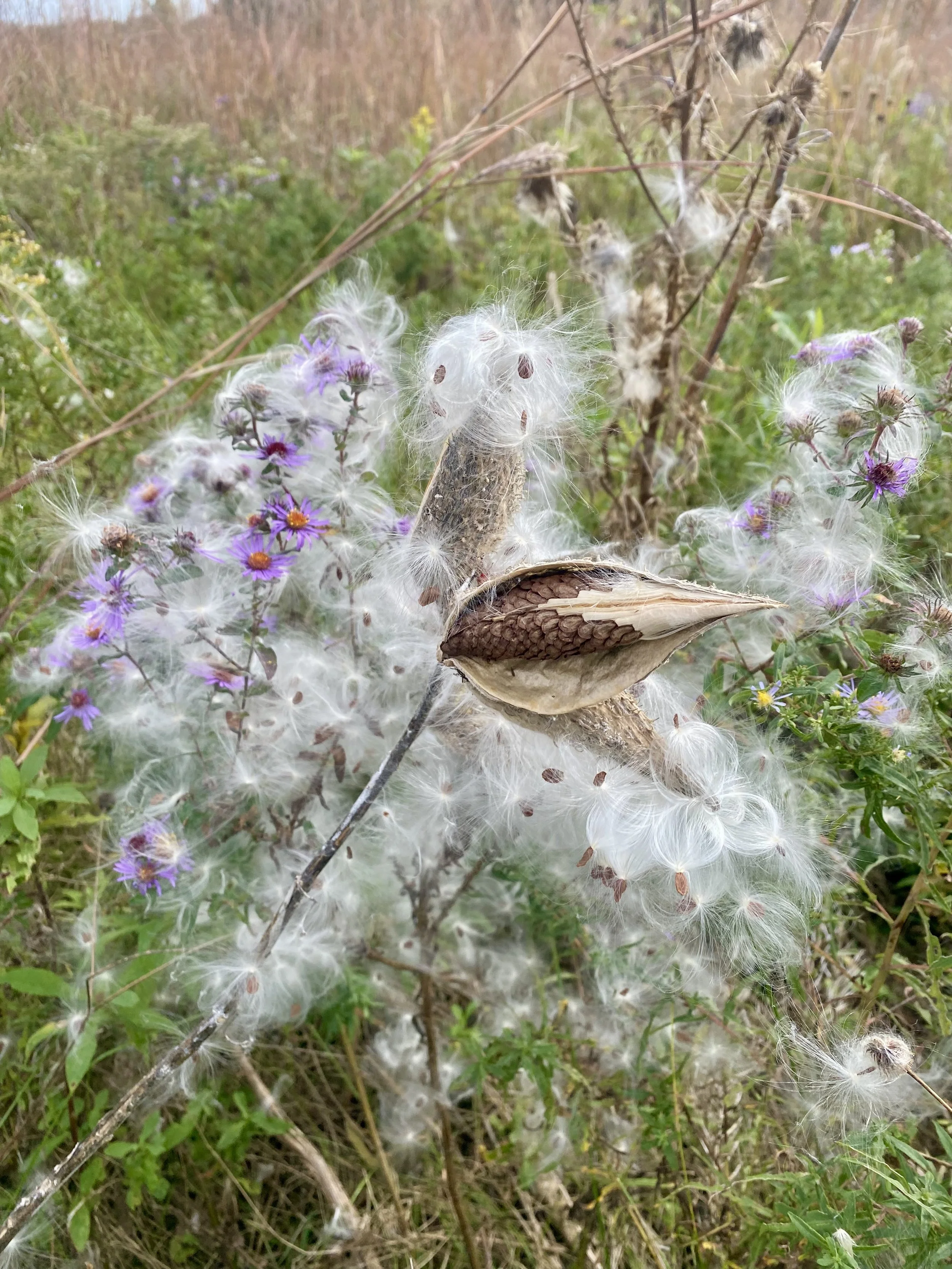
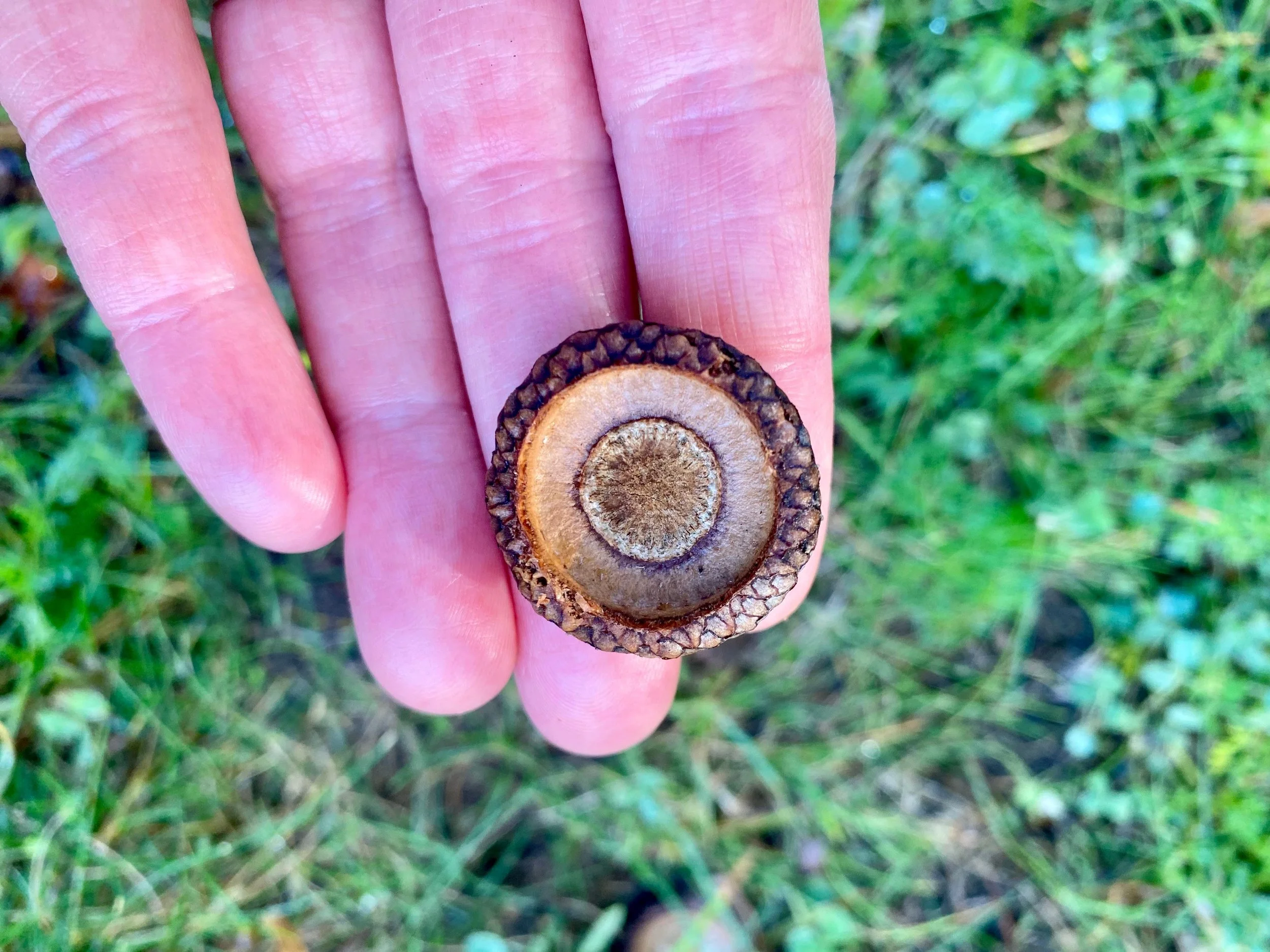
The time of year when milkweed can’t contain itself any longer and decides it needs to fly. May all beings be free!
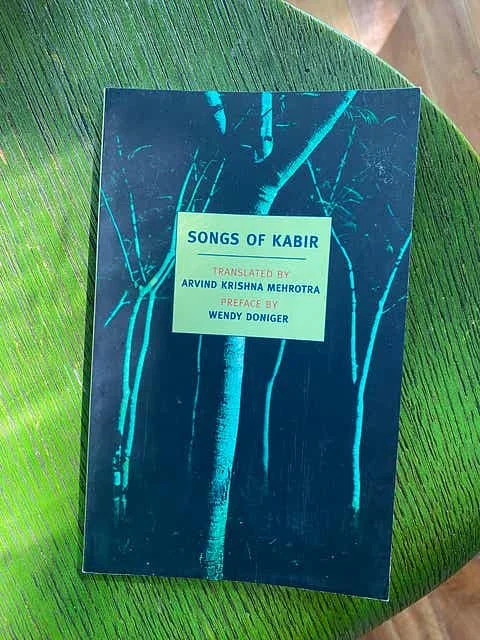
Songs of Kabir translated by Arvind Krishna Mehrotra
Reading Kabir reminds why I’ll never be able to only take refuge in Buddhist sangha and Buddhist teachers. What a missed opportunity!
When Kabir passed away, it’s said that his Hindu followers and his Muslim followers argued about whether to cremate or bury him.
When they went to his body and took off his burial shroud, they found a pile flowers instead of a corpse. The Hindus cremated half the flowers, the Muslims buried the other half.
What a waste of time it is to be sectarian and dogmatic when the ineffable desires us to behold it.
I place Kabir on the crown on my head today—the seat of the teacher.
“Listen carefully,
Neither the Vedas
Nor the Qur’an
Will teach you this:
Put the bit its mouth,
The saddle on its back,
Your foot in the stirrup,
And ride your wild runaway mind
All the way to heaven.”
— Kabir, translated by Arvind Krishna Mehrotra
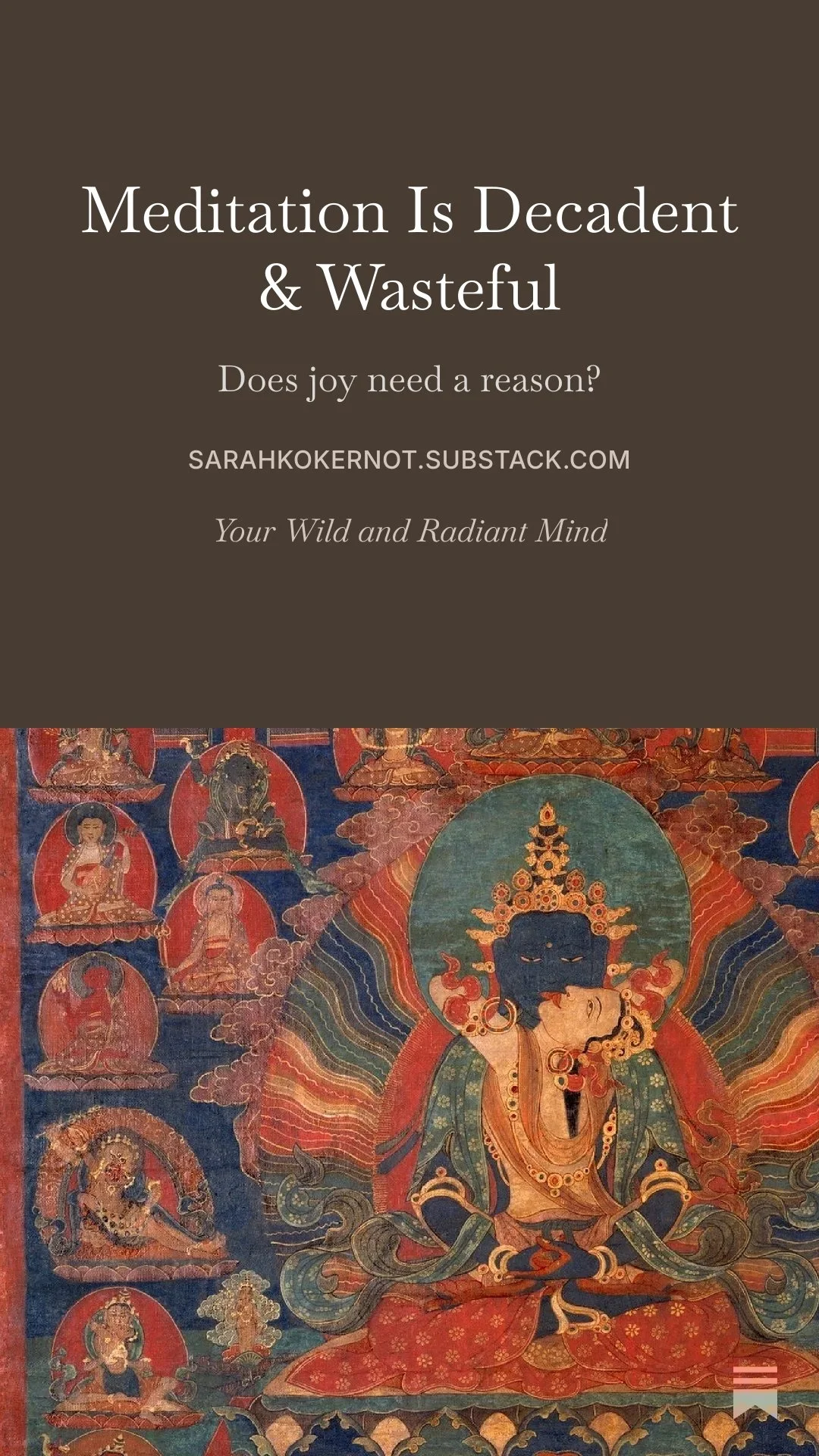
Image detail of Samantabhadra Buddha, Tibet. Date and artist unknown. Rubin Museum of Art.
Sorry you guys, but I went to a 12-day meditation retreat and it didn’t help me solve the polycrisis, or even help me start a new novel manuscript 😱 I wrote about the expectations of my inner purist-leftist-scold and my inner obsessive-artist, and how they’re actually right: like art, meditation is decadent and wasteful. It’s is why they both feel so essential—they take me to the root of being alive, which has no value other than itself.
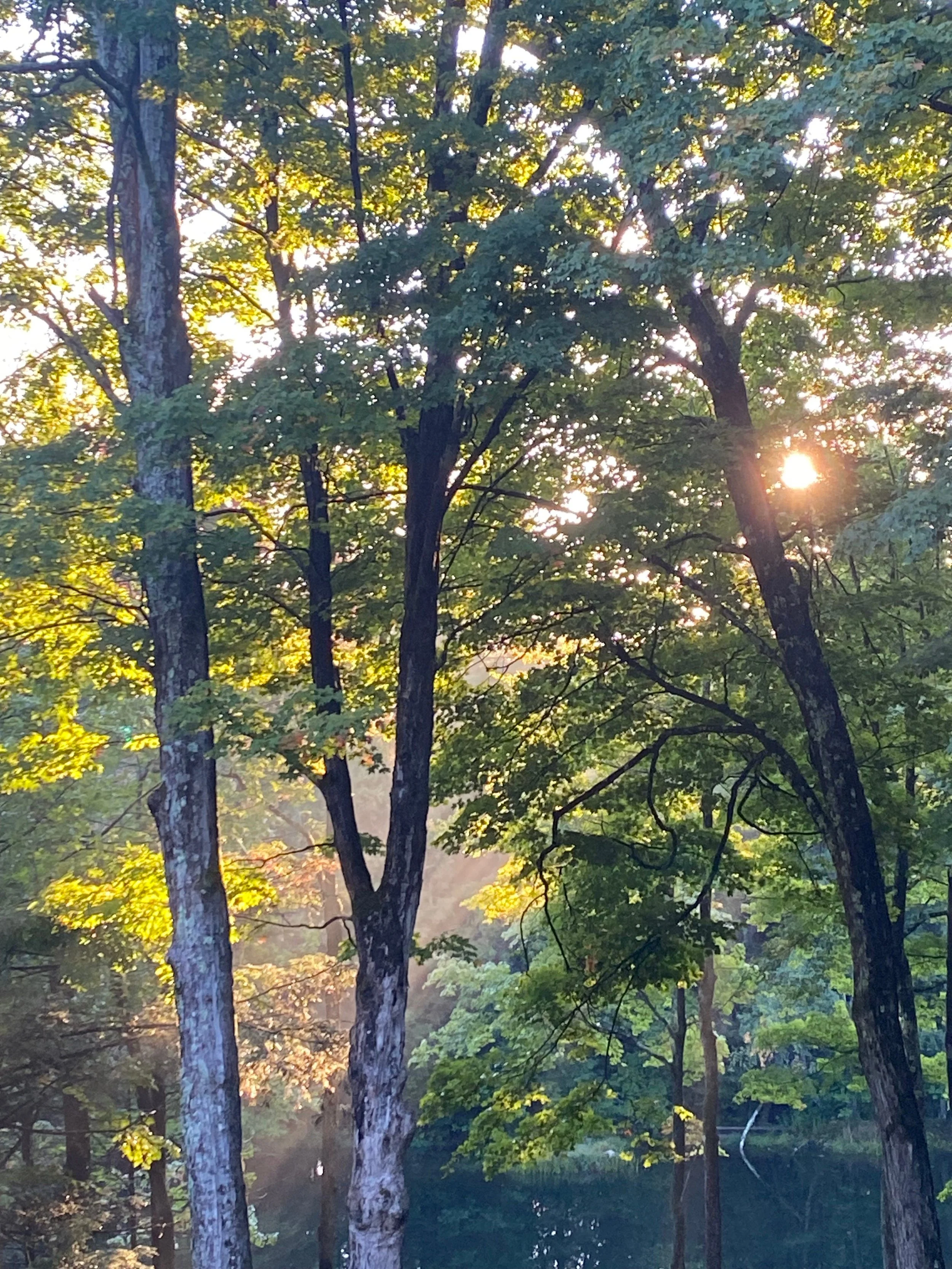
A view from the Yangti Yoga Retreat Center, where I gloriously wasted my life away for a nice long stretch in September.